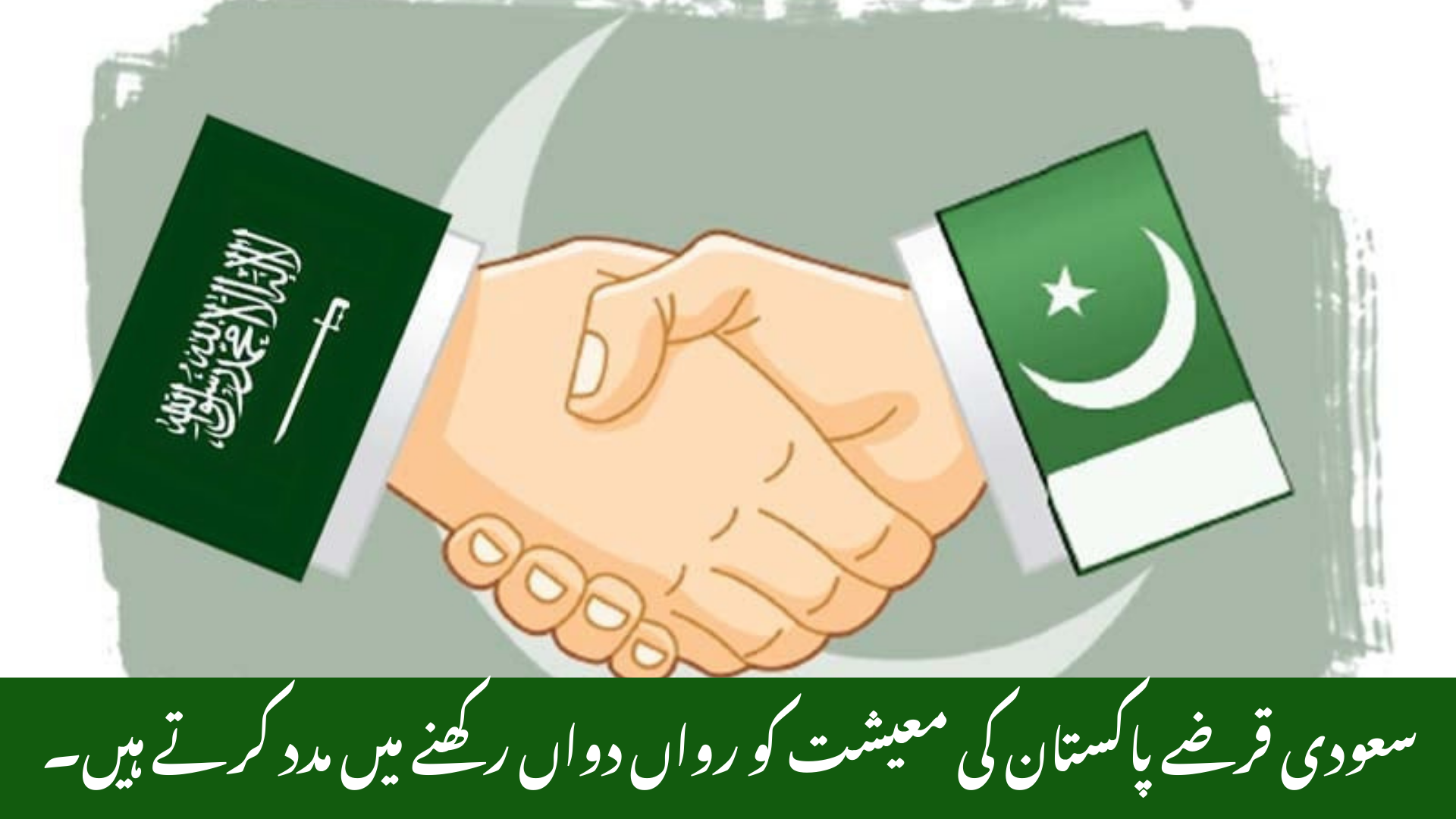

Saudi Loans Help Pakistan Economy Stay Afloat. Pakistan’s economy is once again relying on external support to stay stable, and Saudi Arabia has emerged as one of the most critical backers. Through low-cost cash deposits and financing facilities, Saudi loans are helping Pakistan manage its foreign exchange reserves, meet external debt obligations, and avoid a deeper balance-of-payments crisis.
At a time when commercial borrowing is expensive and global interest rates remain uncertain, Saudi Arabia’s support at around 4% interest stands out as a financial lifeline.
Why Saudi Loans Matter for Pakistan Right Now
Pakistan’s foreign exchange reserves remain under pressure. The country needs steady inflows of dollars to:
- Pay for essential imports such as fuel, food, and medicines
- Service external debt repayments
- Stabilize the Pakistani rupee
- Maintain confidence among investors and global lenders
Under the ongoing IMF program, Pakistan is also required to secure and maintain deposits from friendly bilateral partners. Saudi Arabia, along with China and the UAE, plays a central role in fulfilling these conditions.

Saudi Financial Support to Pakistan
| Program / Facility | Start Period | Maturity / Rollover | Amount | Interest Rate | Nature of Arrangement |
|---|---|---|---|---|---|
| Saudi cash deposit (Facility 1) | 2020–2021 | Dec 2025 (expected rollover) | $2.0 billion | ~4% annually | Government-to-government via SBP |
| Saudi cash deposit (Facility 2) | Rolled over annually | Jun 2026 (expected rollover) | $3.0 billion | ~4% annually | Inter-governmental |
| Combined Saudi, China, UAE deposits | Various years | Linked to IMF program | ≈ $12 billion | Varies | Bilateral sovereign deposits |
| Saudi oil financing facility | Earlier years | Agreement-based | ≈ $1.2 billion | ~6% flat | Oil financing arrangement |
These deposits form a major share of Pakistan’s total gross foreign exchange reserves, which hover around $14–15 billion.
What Saudi Arabia Is Doing Differently
Saudi Arabia has extended around $5 billion in cash deposit facilities to Pakistan at a relatively low interest rate of 4%. What makes this support especially valuable is its flexibility.
Instead of demanding repayment at maturity, Saudi Arabia has repeatedly rolled over these deposits without imposing additional penalties or higher costs. This means Pakistan does not face sudden reserve outflows when the facilities mature.

- $2 billion facility: Matures in December 2025
- $3 billion facility: Matures in June 2026
Both are expected to be rolled over under IMF-linked conditions.
How Saudi Loans Compare With Other Options
Saudi financing is significantly cheaper than most alternatives available to Pakistan.
| Source | Approximate Cost | Why It Matters |
|---|---|---|
| Saudi cash deposits | ~4% | Lowest major bilateral cost |
| China / UAE deposits | ~6.1%–6.5% | Higher interest burden |
| Saudi oil facility | ~6% flat | More expensive than cash deposits |
| Commercial bank loans | 7–8% or higher | High risk and costly |
Even a 2–3% difference in interest rates translates into hundreds of millions of dollars saved over time.

Role of IMF and Bilateral Creditors
Under the IMF program, Pakistan must demonstrate that key bilateral deposits from Saudi Arabia, China, and the UAE remain intact until the program concludes. This assurance boosts confidence among international markets and multilateral lenders.
Together, these three countries account for nearly $12 billion in deposits, making them central to Pakistan’s reserve position and economic stability.
Short-Term Impact on Pakistan Economy
In the near term, Saudi loans provide immediate relief.

They help Pakistan avoid a foreign exchange crisis by ensuring enough dollars are available to pay for imports. Lower interest costs also reduce pressure on the federal budget, leaving room for social spending and development needs.
Perhaps just as important is investor confidence. Continued Saudi support signals that Pakistan has reliable allies, reducing fears of default.
Long-Term Risks and Challenges
Despite the benefits, reliance on external deposits comes with risks.

Pakistan faces dependency risk if it continues to rely heavily on a small group of friendly countries. There is also rollover risk. If future extensions are delayed or denied, reserves could come under sudden strain.
Interest rates may also rise globally. While Saudi’s rate is low today, future terms could change. Most importantly, loans alone cannot fix structural issues such as low exports, weak tax collection, and energy sector inefficiencies.
What This Means Going Forward
In the short term, Saudi loans are helping Pakistan stay afloat. They stabilize reserves, ease debt servicing, and support compliance with IMF requirements.
In the long term, Pakistan must use this breathing space wisely. Economic reforms, export growth, and fiscal discipline are essential to reduce dependence on repeated rollovers.
Conclusion
Saudi Arabia’s low-interest loans and cash deposits are playing a decisive role in keeping Pakistan’s economy stable during a difficult period. At around 4% interest, they are among the cheapest external financing options available to the country.
However, these facilities come with conditions and risks. Sustainable economic recovery will depend on whether Pakistan can combine this external support with meaningful reforms and long-term planning.